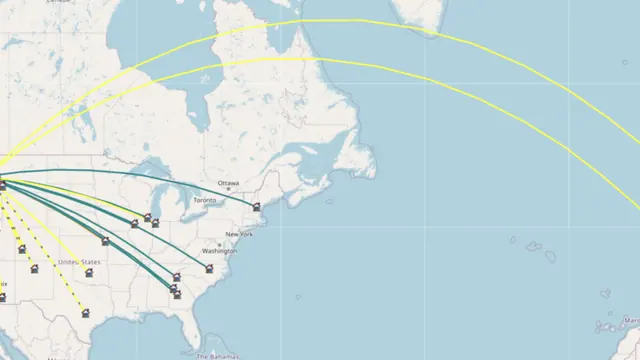
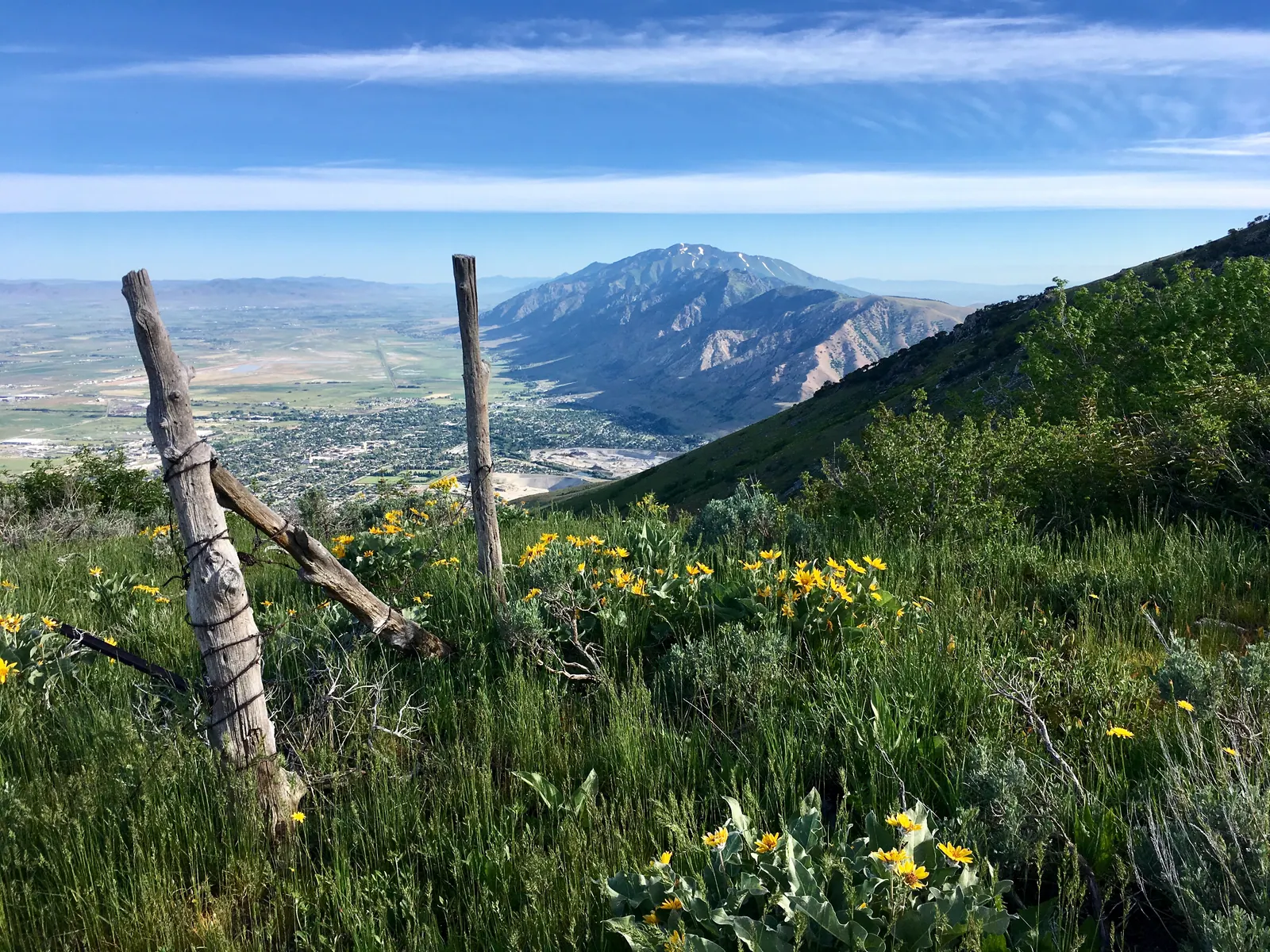
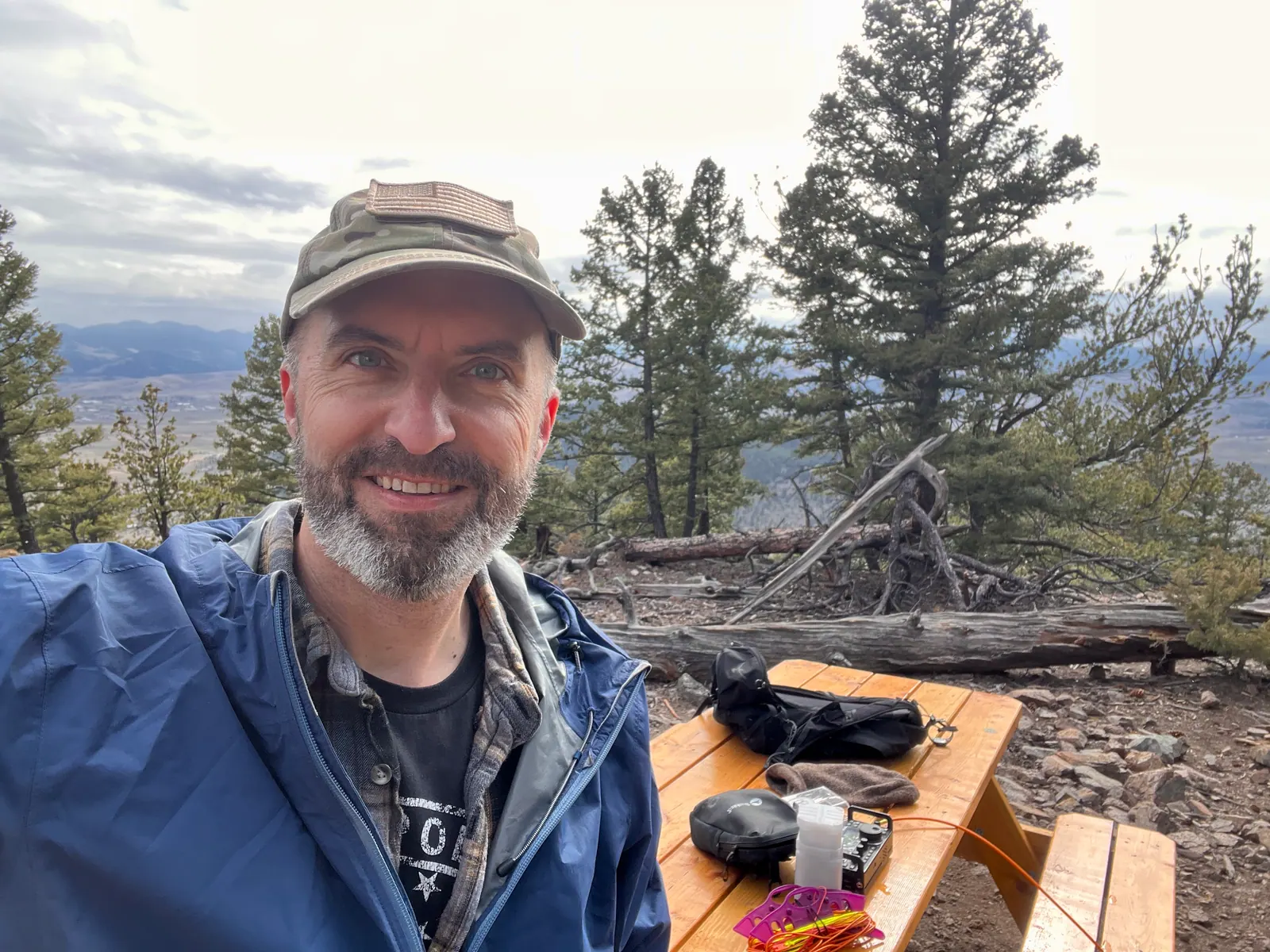
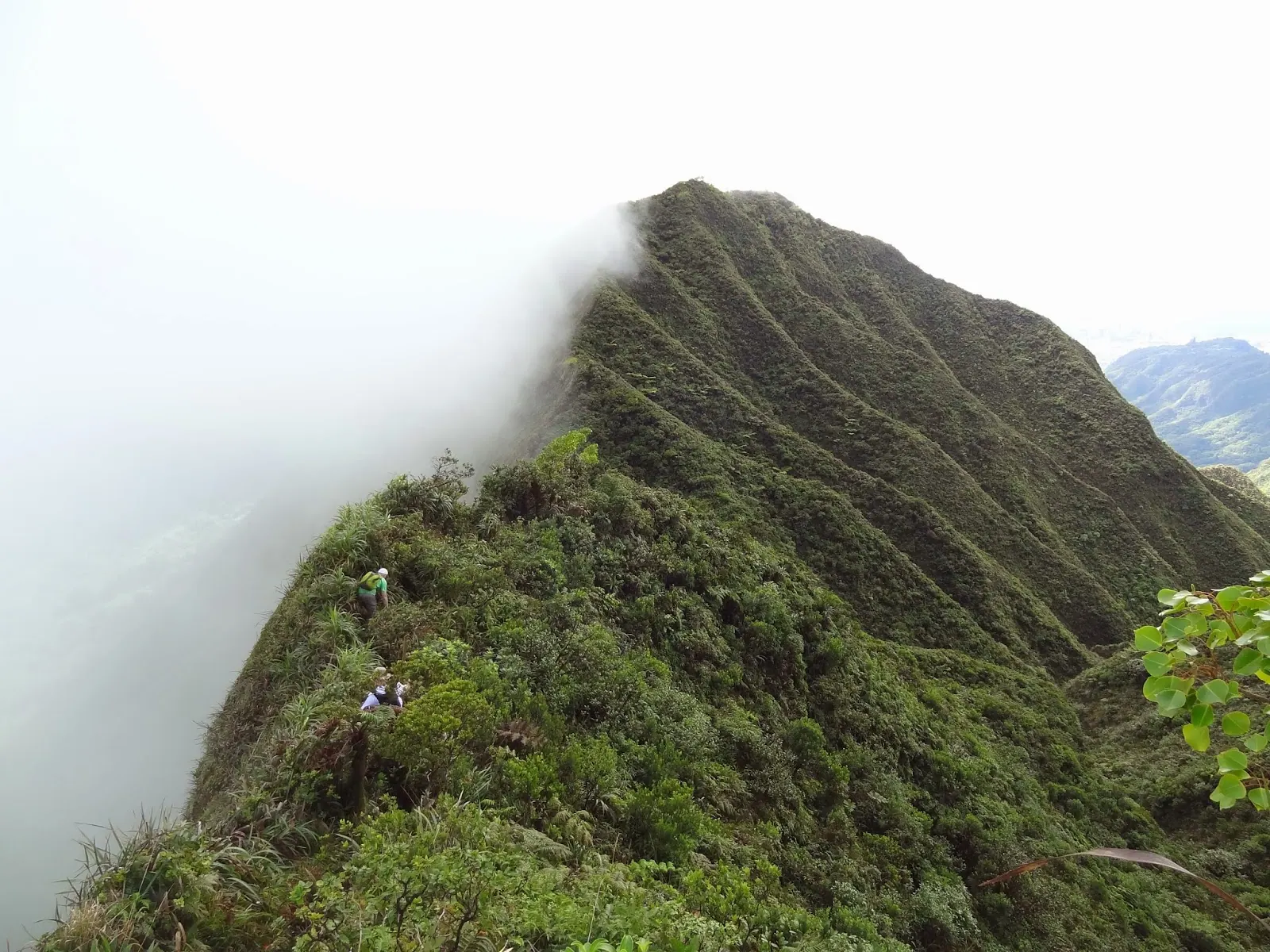
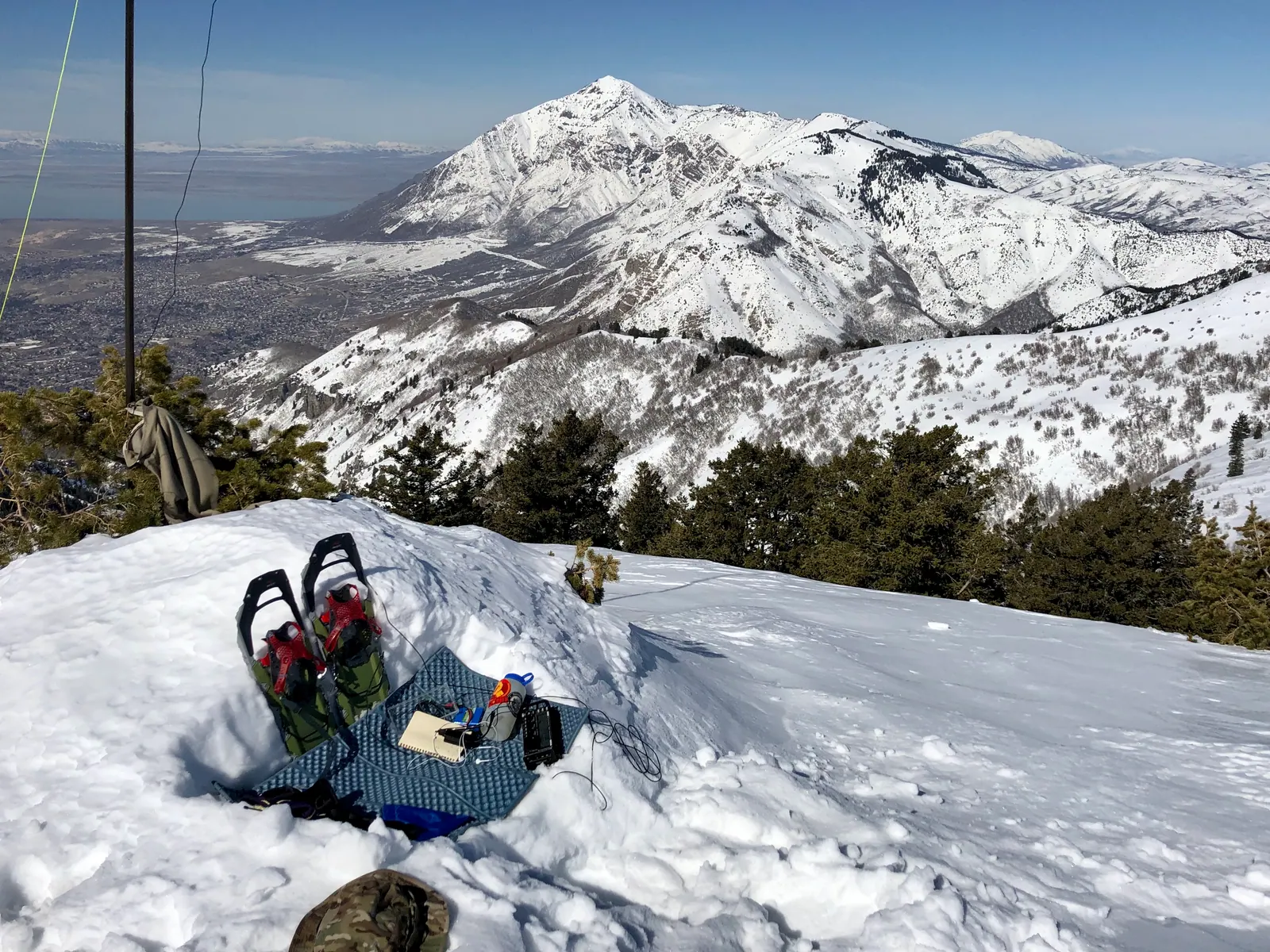
SOTA activations in the Montana mountains. A full assignment on Wake Island as KH7AL/KH9 — over 20,000 contacts from one of the most sought-after DXCC entities. Field radio the way it should be.
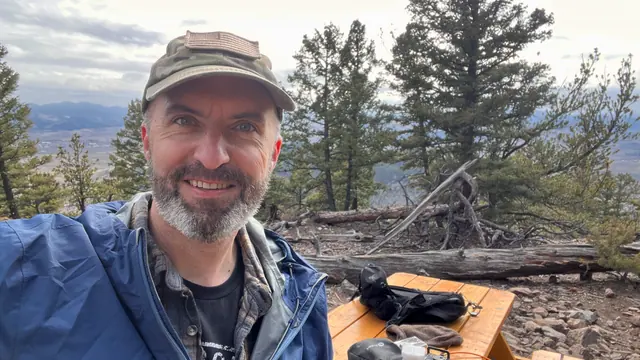
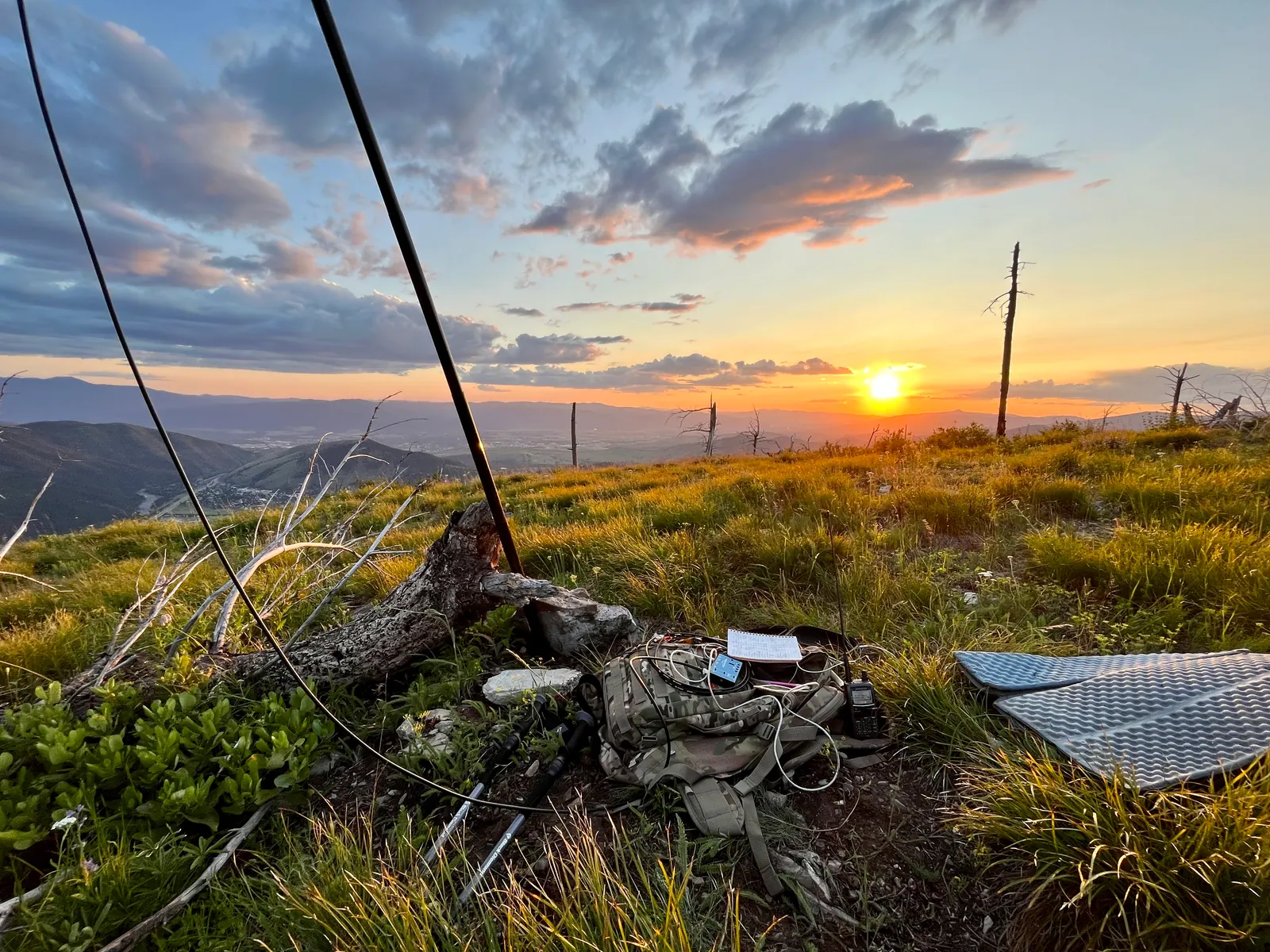
After 12 years in Summits On The Air, I’m closing in on Mountain Goat status—one slow, methodical activation at a time. A steep winter climb near Missoula, solid HF contacts from a long-overlooked summit, and a bittersweet reminder of why SOTA is about more than points.
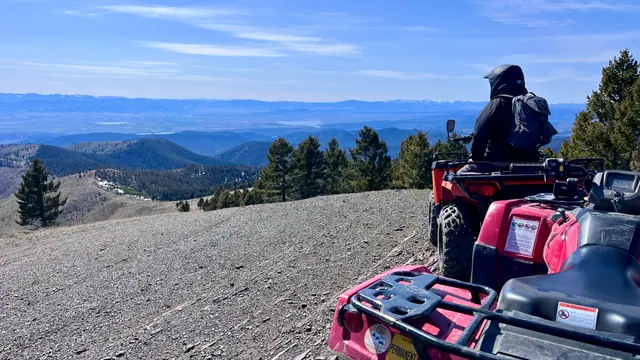
Think SOTA requires a grueling hike? Drive-up summits make Summits on the Air more accessible than ever—no backpacking or blisters required. Just bring your gear, step away from the vehicle, and enjoy portable ham radio from a mountaintop. It’s a fun way to sharpen your skills and maybe even spark a new radio obsession.
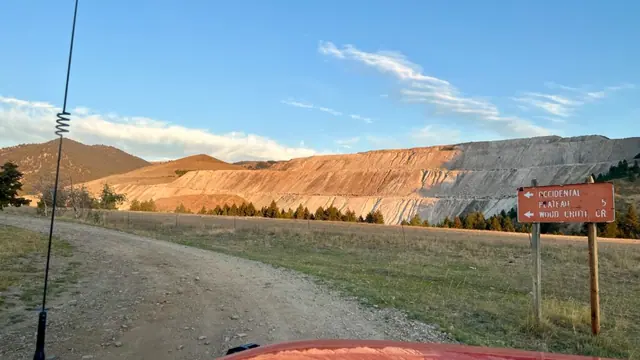
After two winter strikeouts, I finally tackled Haystack Mountain just south of Helena—and this time, summer conditions were on my side. A rugged 4WD approach, boulder-strewn trail, whortleberry-scented air, and fire tower remnants made for an unforgettable hike and radio activation. With 32 contacts logged and views stretching for 100 miles, it was well worth the wait.
What started as “just a couple summits along a ridge” turned into a 13.5-mile SOTA adventure through Montana’s stunning Gates of the Mountains Wilderness. Two peaks, dozens of contacts (including DX), game trails, and a sockful of burrs later—I earned the points and the memories.
Ham Radio in the Elkhorns: Endurance, Elevation & Emergency Comms Every August, the Elkhorn Endurance Run puts runners—and radio operators—to the test. Hosted by the Helena Ultra Runners League (HURL), this backcountry race winds through remote terrain with little to no cell coverage. That’s where we come in.
For the another year, my sons and I hiked into the hard-to-reach Elk Park aid station to support the event with the Capital City Amateur Radio Club. With antennas deployed, radios checked, and thunderstorms narrowly avoided, we helped ensure 100% accountability of runners across a grueling 50-mile course with 13,000 feet of elevation change.
It’s always inspiring to see what these athletes push through—and rewarding to know ham radio plays a vital role in keeping everyone safe.